Finding the right therapist shouldn’t feel like a guessing game, and you shouldn’t have to wait months to begin therapy.
At Day One Counseling, we make it easier to get support that actually fits and in a timely manner. We help people across Pennsylvania connect virtually or in person with a therapist who understands what they’re carrying and how they want to work.
We offer in-person therapy sessions to those in the Lehigh Valley. You can expect a warm, inviting, and safe space to talk about your most sensitive subjects.
For added flexibility, several of our therapists also provide virtual therapy sessions, allowing you to access care from the comfort of your home.
Personalized Therapy Solutions Starts With Day One
Insurance and private pay options available.
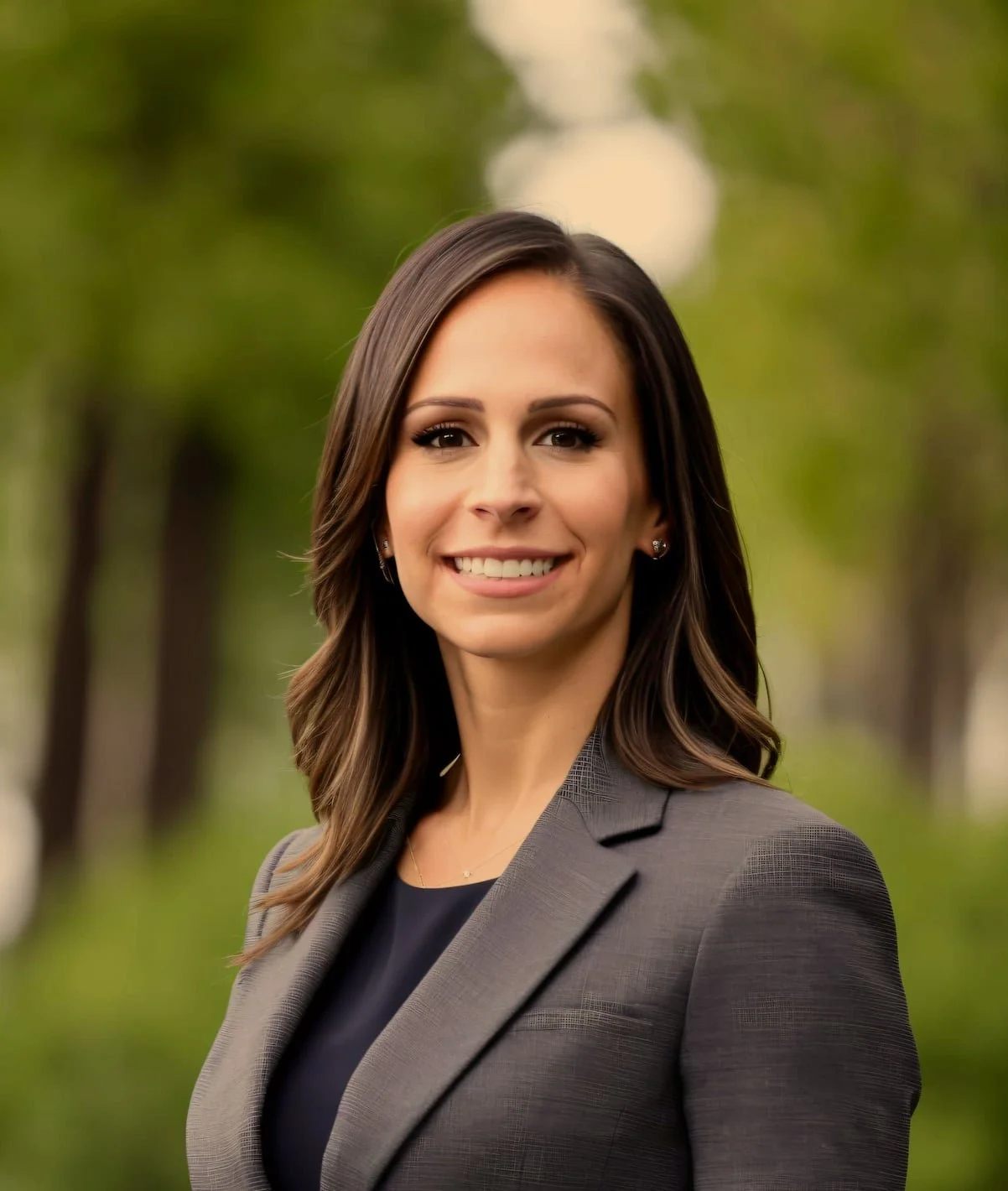
Laura Goncalves, Founder
You may look like you’re holding it together. That doesn’t mean it feels that way inside.
Maybe your mind never slows down. Maybe you feel anxious, emotionally drained, overstimulated, or stuck in patterns you cannot seem to break. Maybe you are the one everyone leans on, while quietly feeling overwhelmed yourself.
You do not have to keep pushing through alone.
Therapy can be a space to slow down, understand what is happening beneath the surface, and start making changes that help life feel more manageable, grounded, and real..

We help you find the right fit.
A lot of therapy practices expect you to scroll through therapist profiles, guess who might understand you, and hope it works out.
We do things differently.
At Day One Counseling, we take time to learn what brings you in, what kind of support you are looking for, and who on our team may be the best fit. That way, getting started feels less overwhelming and more personal from the beginning.

Specialized Treatment Areas
-
Anxiety/ Depression
-
Women`s Therapy
-
ASD/ADHD/AuDHD
-
Trauma/PTSD

Types of Therapy
-
Cognitive behavioral therapy (CBT) is a structured, practical type of therapy that focuses on the connection between your thoughts, feelings, and behaviors. In CBT, we gently notice the stories your mind tends to tell, and explore more balanced ways of looking at situations so you can respond differently.
-
Dialectical behavior(al) therapy (DBT) is a type of talk therapy that helps people who experience emotions very intensely learn skills to manage those emotions, cope with crises, and improve relationships, while holding both acceptance and change at the same time. DBT helps people who feel things very intensely learn how to manage big emotions, get through crises, and have more balanced relationships. DBT balances two ideas at once, accepting yourself as you are right now, while also working toward meaningful change. DBT focuses on four sets of skills: staying present (mindfulness), getting through tough moments without making things worse (distress tolerance), understanding and regulating emotions, and communicating more effectively in relationships. -
Mindfulness-based therapy is a type of therapy that helps clients slow down, notice what they are feeling, and relate to their thoughts and emotions with more awareness instead of reacting automatically.
The core idea is: thoughts and feelings are real experiences, but they do not have to control every choice. Clients learn to observe what is happening in their mind and body without immediately judging it, avoiding it, or getting swept away by it.
It can be especially helpful for anxiety, depression, stress, trauma responses, emotional reactivity, chronic pain, ADHD, and burnout. For example, someone with anxiety may learn to notice, “My chest is tight, my mind is predicting danger, and I’m having the thought that something bad will happen,” instead of instantly spiraling or trying to force the anxiety away.
Mindfulness-based therapy can include practices like breathing exercises, grounding, body scans, mindful movement, noticing thoughts, self-compassion, and learning how to pause before responding. It is often woven into approaches like DBT, ACT, MBCT, and trauma-informed therapy.
-
Strengths-based therapy is a counseling approach that focuses on what is already working in a client’s life, not just what feels wrong.
Instead of viewing the client as a “problem to fix,” the therapist helps them identify their strengths, values, skills, supports, resilience, past successes, and inner resources. The goal is to help the client use those strengths more intentionally to manage challenges, build confidence, and create meaningful change.
-
Person-centered therapy is a counseling approach that puts the client’s experience, perspective, and inner wisdom at the center of the work.
Instead of the therapist acting like the “expert” who tells the client what to do, the therapist creates a warm, nonjudgmental, supportive space where the client can better understand themselves and make choices that feel authentic. The therapist listens deeply, reflects patterns, validates emotions, and helps the client connect with their own values and needs.
A big belief behind person-centered therapy is that people are naturally capable of growth when they feel safe, accepted, and understood. So the relationship between therapist and client is a major part of the healing.
It can be helpful for anxiety, depression, grief, identity exploration, self-esteem, relationship issues, life transitions, and people who feel disconnected from themselves or overly shaped by others’ expectations.
-
Trauma-focused therapy is counseling that helps clients understand, process, and heal from painful or overwhelming experiences.
The goal is not to force someone to relive everything that happened. Instead, trauma-focused therapy helps clients feel safer in their body, understand how trauma has affected their thoughts and relationships, reduce shame, and build healthier ways to cope.
Trauma can impact the nervous system, sense of safety, trust, self-worth, memory, emotions, and relationships. A client may notice symptoms like anxiety, panic, numbness, irritability, nightmares, flashbacks, people-pleasing, avoidance, difficulty trusting others, or feeling “stuck” in survival mode.
Trauma-focused therapy may include grounding skills, emotional regulation, nervous system education, identifying triggers, processing traumatic memories, rebuilding self-trust, and strengthening boundaries. Some therapists use specific approaches like EMDR, trauma-focused CBT, somatic therapy, narrative therapy, or parts work.
-
Although Day One Counseling provides psychotherapy and does not prescribe or manage medications. Your mental health care should feel connected. At Day One Counseling, we take an integrative approach to psychotherapy, tailoring treatment to your individual needs, experiences, and goals. When psychiatric medication support may be helpful, we can assist with referrals and, with your written permission, collaborate with your psychiatric provider to support a coordinated approach to care.
What People Are Saying About Us